
Picture this. Gym guy’s just crushed a killer workout. He’s back home, still in his tank top, scrolling through his phone for a quick post-workout recipe. "Easy healthy food after gym" — boom, he taps the first blog link he finds.
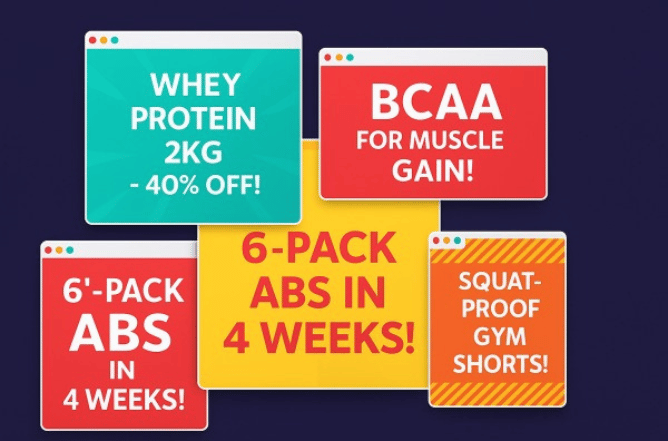
But before the recipe even loads, the screen explodes with pop-ups:
👉 “Whey Protein 2kg – 40% OFF!”
👉 “BCAA for Muscle Gain!”
👉 “6-Pack Abs in 4 Weeks!”
👉 “Squat-Proof Gym Shorts!”
He blinks. Shrugs. “Kya hi karein… let’s just click one.”
But what he doesn’t know is that he’s not being lucky, he’s being tracked.
That’s when I step in Mr. Zero, your friendly marketing myth-buster, holding up a sparkling digital cookie like Excalibur(a superhero’s sword).
“Not the edible kind, bro… the performance tracking kind. You see, brands know your every click, scroll and search because of this, cookies. And what you’re seeing? That’s not a coincidence. That’s PPC marketing doing its thing.”
Let’s break it down like a gym set.
Pay per click marketing is like paying rent only when someone walks into your shop—not when they just glance at it from across the street. Advertisers don’t pay to be seen. They pay only when someone clicks. That means every rupee spent is tied to real interaction, whether it’s a search result, banner ad or YouTube video.
Why it works:
But if done wrong? It’s like chugging a random supplement without checking the label. Waste of energy. Waste of money.
Let’s get back to our gym guy. He searched for a fitness keyword, clicked a blog, hovered over a protein product and voilà! He’s in the retargeting loop of a smart PPC campaign.
Here’s how Google Ads makes it happen:
1. Google Search Ads
Text ads that show up when users search on Google. Perfect for high-intent queries like “best post workout shake.”
2. Google Display Ads
Eye-catching banners on websites and apps you visit. They retarget you based on past behavior, like those protein deals popping up again.
3. YouTube Ads
Mid-scroll on cooking videos? Enter the supplement ad. YouTube lets brands drop pre-roll or mid-roll video ads right into what you're watching.

A great PPC campaign isn’t random. It’s carefully planned with:
🔍 Keyword Research
Figure out what your audience is actually typing. Choose keywords that reflect high intent and relevance.
💡 Bidding Strategy
Manual bids give control. Automated ones (like Maximize Conversions) use AI to get better results faster.
🖥️ Landing Page Optimization
If you promise “best post-workout smoothie” and land users on a generic homepage, they’ll bounce. Match your ad and landing page perfectly.
Gym bro wouldn’t skip leg day, right? Then don’t skip strategy in PPC marketing. Mistakes like vague targeting, irrelevant landing pages, or zero testing can cost you big time.
Regularly check your:
Even small changes can turn your campaign from "meh" to "massive."
So next time you see an ad that weirdly knows what you were just thinking — don’t freak out. That’s not magic. That’s pay per click marketing done right. From Google Search to YouTube and Display banners, smart PPC campaigns don’t chase everyone, they find you when you're most ready to click. Want to stop being confused by ads and start creating them? Join the revolution with Digital Internships 2.0 and learn how to turn clicks into conversions like a pro.
 Wanna stay updated about courses