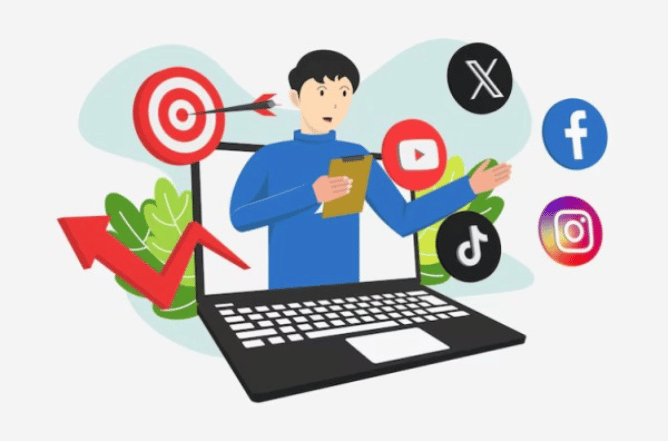
You know that moment when someone changes the music and the whole vibe dies. Yeah, that’s exactly what happens when brands post the same content on every platform. Instagram, LinkedIn, YouTube and Facebook, these platforms do not have the same crowd. Same message, wrong format? You’ll go from vibing to ghosted.
Trust me, your content might be great, but if it's not optimized for the platform it's on, it’s like showing up to a beach party in a tux. People won’t care how smart or slick it is, they’ll just scroll on. If you’re serious about building traction, this is where platform-specific custmization becomes your best friend.
Adapting your content to each social platform's format, tone, and behaviour is known as platform-specific optimisation. Knowing how people use each platform and why they are there is more important than simply resizing your picture or cutting your video.
Want better reach, better engagement and better visibility? You need more than content, you need platform-specific tips for optimizing your profiles, post formats, and message delivery. Posting the same thing everywhere might feel efficient, but it’s silently killing your potential.

Let’s talk about the basics. Every platform has its own rules and ignoring them is like trying to fit a square peg into a round feed.
Instagram SEO starts with visual clarity. Your feed posts should ideally be 1080x1350, and your Reels or Stories?To fill the screen and keep viewers interested, keep them at 1080x1920. Here, hashtags are important; use ten to fifteen that combine brand, niche, and trending keywords.
Value and tone are key components of LinkedIn SEO. Avoid clutter by using only three to five highly relevant hashtags and sticking to horizontal images (1200x627). Instead of just drawing attention, your captions should seem expert, provide context, and provoke discussion.
Text, image, and video material all perform well on Facebook, but consistency and clarity are crucial.
Use medium-length captions and strong preview images for link posts. YouTube SEO? That’s a whole different beast, think searchable titles, strong thumbnails, keyword-optimized descriptions and time-stamped content.
Each platform speaks a different language. Respect it, or be ignored.
Instagram thrives on visuals, energy, and emotion. While Stories generate daily touchpoints with polls, stickers, and short questions, Reels allow you to capitalise on trends. Carousels work well for tales that are easy to swipe through or for detailed instructions. Instagram users scroll quickly, so material needs to grab their attention in a matter of seconds.
LinkedIn, on the other hand, is a pause-and-think platform. People are in a professional mindset, looking for insights, inspiration, or opportunities. Personal stories, lessons learned, milestone moments, these spark meaningful interactions here. Reuse your ideas, sure but restructure the tone, format and depth.
Even if your profile matters, optimizing it for each platform means aligning bio text, profile visuals, and call-to-actions with the platform's intent. That’s platform-specific tips for optimizing your profiles 101.
Instagram’s algorithm watches early engagement like a hawk. If your Reel gets likes, saves, shares, and comments quickly, it’ll push it to more feeds. Use in-app tools (music, collabs, stickers), and post when your audience is most active.
LinkedIn’s algorithm weighs comments and dwell time heavily. It’s less about volume and more about depth. Posts that lead to thoughtful discussions get boosted. And if you’re sharing a link? Drop it in the comments not the main caption to avoid reaching penalties. That’s core to linkedin seo.
Facebook loves native video and consistency. Evergreen posts with community-oriented language perform best. For facebook seo, focus on engagement (likes, shares, comments) and regular posting, especially on weekdays.
YouTube’s algorithm favors watch time and retention. Customize the thumbnails, use targeted keywords in your descriptions and titles, and create binge-worthy playlists. YouTube SEO is all about discoverability and depth, don’t just post videos, post journeys.
Time your content wisely, track what works, and double down on performance patterns.
Here’s the bottom line: content doesn’t work in isolation, it works in context. Each platform has its own rhythm, its own culture, its own expectations. When you respect the vibe of each platform, your content feels native, not forced. It fits. It flows. It connects. So next time you’re about to hit “share all,” remember what happened at that digital party. Don’t be the buzzkill with the wrong AUX cable. Speak the language of the platform, and your audience won’t just scroll, they’ll stay.
 Wanna stay updated about courses