You’re at the checkout counter with your daal, sugar, and milk checklist in your head until your eyes catch a glistening bar of chocolate right next to the card machine. Without much thought, your hand moves, grabs it, and tosses it into the basket. The cashier smiles and asks, “Aur kuch, madam?” and you chuckle, realizing you just impulse bought something you didn’t even come for.
Well, as Mr. Zero would cheekily point out, that’s no accident, it’s consumer behaviour at work. That chocolate wasn’t just there to look pretty. It was strategically placed, banking on consumer psychology and the power of subtle suggestion. Every purchase we make planned or spontaneous is deeply influenced by our emotions, environment, and the way marketers play the game.
Let’s talk about needs. Not candy cravings but psychological needs. According to marketing psychology, Maslow’s hierarchy breaks down why we buy: from basic survival (food, water) to self-actualization (identity, purpose).
You don’t just buy coffee, you buy routine, warmth, a moment of peace on a chaotic day. You’re not buying shoes, you’re investing in confidence, self-worth, even your social image. That’s where great marketing lives, it meets consumer needs at a deeper level.
Smart brands speak to your aspirations. It’s not just a fitness tracker, it’s “the new you,” loaded with consistency, health goals and validation from strangers on Strava.

Here’s what’s really happening before your wallet opens:
This entire loop is where consumer behaviour shines through. A good product satisfies a need, but a great one becomes a story you tell.

Marketers don’t just throw ads at you, they build entire ecosystems around consumer psychology.
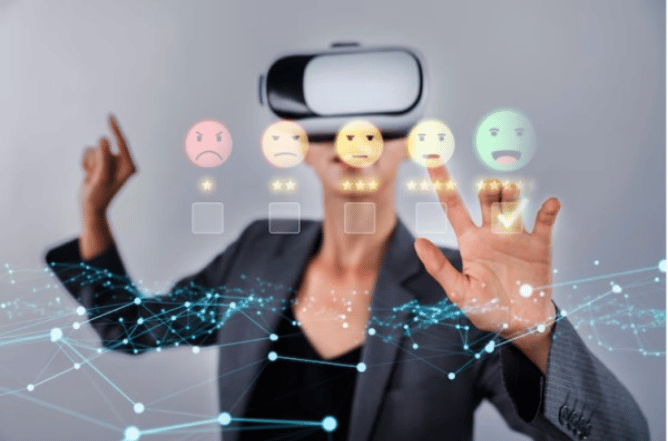
And the secret? Emotion. Your fear of missing out. Your dream of being more confident. Your wish to feel in control. That’s marketing psychology at play. Limited-time offers, emotionally driven reviews, color choices on packaging and nothing’s random.
Whether you're building a brand or simply becoming more mindful of your purchases, understanding consumer behaviour gives you the edge.
If you're a marketer, tap into consumer psychology to connect with what your audience truly wants even if they don’t know it yet. And if you’re a buyer, learning about marketing psychology can help you recognize when you’re being subtly nudged (like that cheeky chocolate bar).
Because in the end, every “Add to Cart” comes from a story inside your head—and someone, somewhere, who knew exactly how to tell it.
 Wanna stay updated about courses