
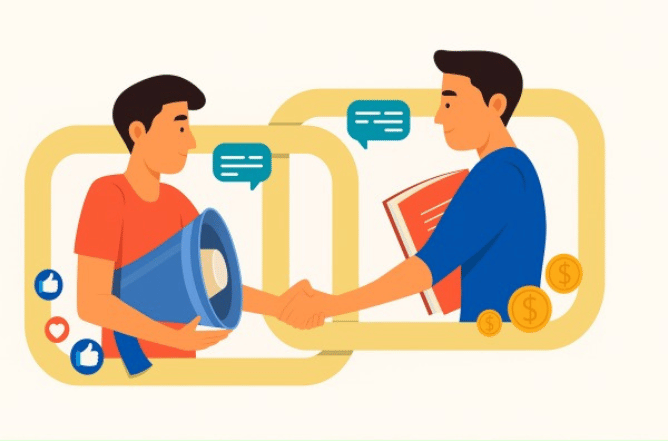
When it comes to growing a business, making the right impression can open the right doors. Whether you’re trying to win new clients, pitch to partners, or expand into new markets, having a strong marketing kit for business development can make all the difference.
If this sounds like something fancy or complicated, don’t worry. Mr. Zero is here to walk you through it, step by step, in plain language.
A business development marketing kit is basically your brand’s "pitch package." It’s a collection of key documents, visuals, and messaging you can use when reaching out to potential clients, investors, collaborators, or stakeholders.
Instead of sending people scattered information or long explanations, your kit gives them a neat, professional, and clear picture of what your business does and why they should care. Think of it as your growth tool. When you want to attract new business, this is the go-to asset you share.
In business development, you're often trying to start new relationships. That could mean meeting a potential client, connecting with a partner company, or trying to pitch your services to a bigger player.
If you can clearly show:
…then you're already ahead of the game.
Mr. Zero puts it like this:
“Business development is like dating. First impressions count. Your marketing kit is your conversation starter.”
Let’s break it down, the Mr. Zero way, simple, strategic, and effective.
Start with a company overview. This should briefly explain what your business does, your mission, and the value you bring. Make it clear, not fluffy. Skip the buzzwords and focus on how you help people or businesses.
Next, include your core services or products. Explain them in plain terms. What are you offering? How does it work? Who is it for? The goal is to help your audience understand your solutions without needing a follow-up call to “clarify.”
Then, show some proof of success. Include real case studies, project highlights, or client testimonials. If you’ve helped a business grow revenue, increase leads, save time, or solve a major problem, that’s gold. Numbers help here too: growth percentages, time saved, customer satisfaction stats — anything that shows results.
Don’t forget your target industries or clients. This helps others see whether you’re a good fit for them. If you're targeting real estate, tech startups, or local retailers, say so.
Now, add a quick section about your team or leadership, if it makes sense. A short intro to your founder, your key people, or your background can help build trust.
Wrap it up with a clear call to action, whether that’s “Let’s schedule a discovery call” or “Here’s our contact info.” Always make it easy for people to reach out or take the next step.
Mr. Zero says:
“If your kit still talks about what you did two years ago, you're sending the wrong message. Keep it fresh, keep it relevant.”
 Wanna stay updated about courses